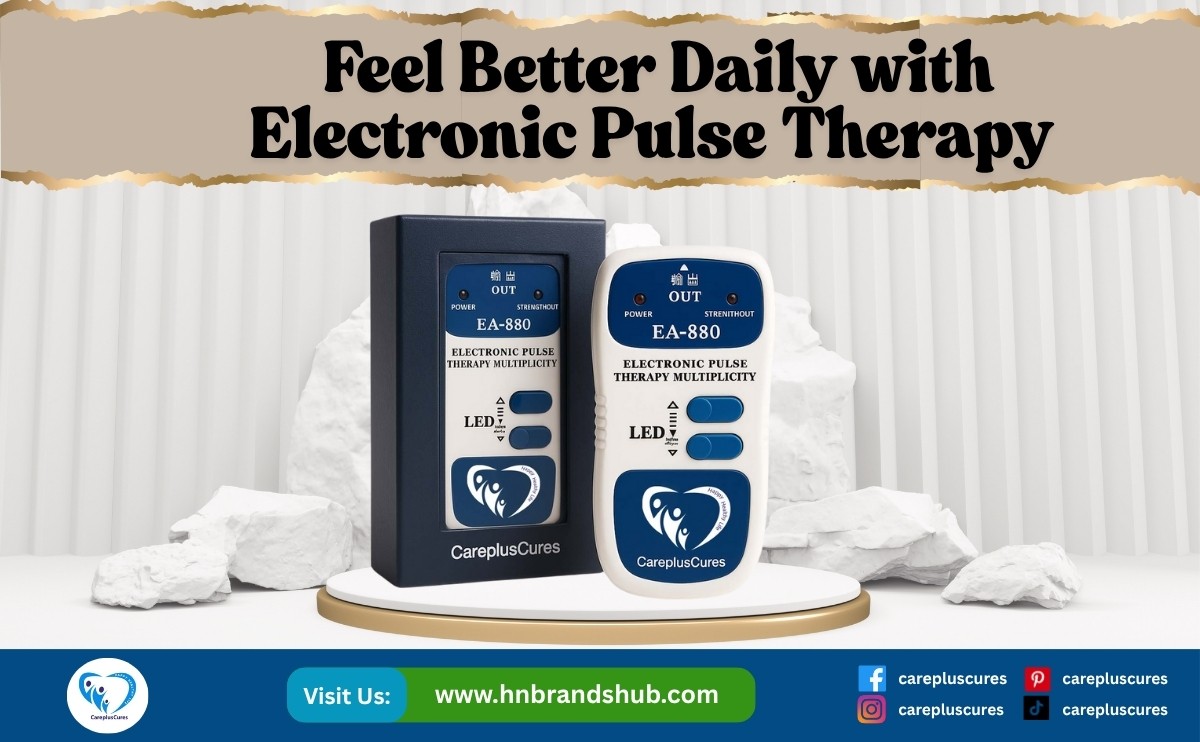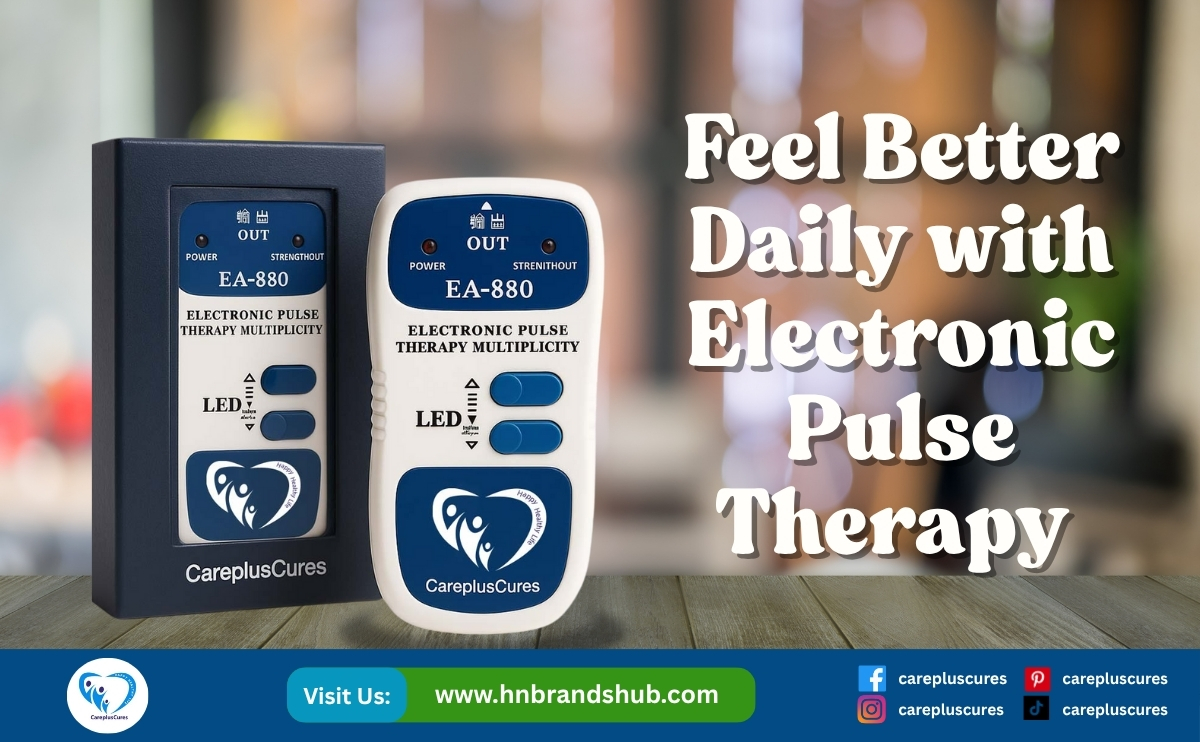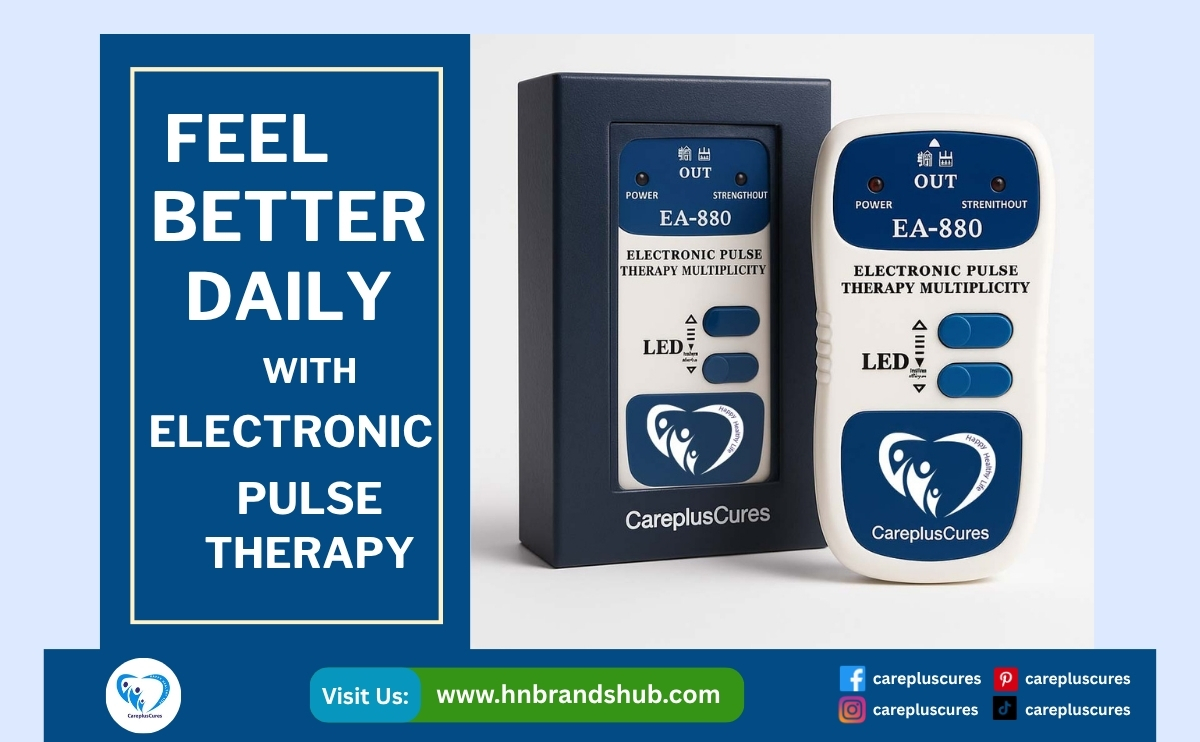

In today’s fast-paced digital world, mental health care is evolving to meet the demands of modern life. Gone are the days when therapy was limited to face-to-face appointments at a clinic. Now, people are embracing a more flexible, accessible option known as Electronic Therapy. This new form of therapy is not only transforming how individuals receive support but is also redefining the very nature of mental health care.
What Is Electronic Therapy?
It refers to the delivery of psychological support and counseling services through digital communication tools such as video calls, phone sessions, or chat-based platforms. This method allows therapists and clients to connect remotely, often from the comfort of their homes.
As awareness around mental well-being increases, HN BRANDS HUB recognizes that more individuals are turning to this form of therapy due to its convenience and flexibility. Whether you’re dealing with anxiety, stress, or simply need someone to talk to, Electronic Therapy offers an effective alternative to traditional in-person sessions.
Why People Are Choosing Electronic Therapy
Several factors have contributed to the rising popularity in recent years. People are increasingly drawn to digital mental health services because they offer practical solutions to everyday challenges.
Some key reasons include:
- Greater flexibility in scheduling sessions
- Comfort of receiving therapy from home
- Lower costs compared to in-person visits
- Elimination of travel time and waiting rooms
- More privacy and less social stigma
According to HN BRANDS HUB, this form of therapy has made mental health care more approachable and acceptable, especially among younger generations who are already comfortable with digital communication.
Who Can Benefit the Most?
It is not limited to one type of person or condition. It is beneficial for a wide range of individuals across different walks of life:
- People in remote or rural areas with limited access to mental health clinics
- Stay-at-home parents or busy professionals who find it hard to attend regular sessions
- Students and young adults who prefer virtual communication
- Elderly individuals who face mobility or transportation challenges
HN BRANDS HUB emphasizes that the flexibility of Electronic Therapy helps bridge the gap between clients and mental health professionals, making care more inclusive than ever before.
Safety, Privacy, and Trust
With any form of digital service, concerns about privacy and confidentiality are natural. Most Electronic Therapy platforms use encrypted communication and follow strict data protection regulations to ensure clients’ information remains secure.
Before choosing a platform or therapist, it’s important to:
- Verify the therapist’s credentials and licensing
- Review the platform’s privacy policy and data security measures
- Understand the communication method you’re comfortable with
As shared by HN BRANDS HUB, people should be educated on how to select a reliable provider to get the most benefit from Electronic Therapy while protecting their personal well-being.
The Role of Therapists in a Digital World
Even though the format has changed, the role of a therapist remains central in Electronic Therapy. Therapists continue to offer the same level of empathy, support, and guidance—only now it’s through a screen.
Many professionals believe that therapeutic relationships can be just as strong online as they are in person. In fact, some clients feel more relaxed and open when they’re speaking from a familiar environment, like their own living room.
HN BRANDS HUB points out that trained professionals are adapting their techniques for virtual sessions to maintain the effectiveness of therapy.
Limitations and Considerations
Despite its many advantages, Electronic Therapy does have some limitations. It may not be suitable for individuals in crisis or those needing intensive, long-term treatment that requires physical presence.
There are also a few challenges to keep in mind:
- Access to stable internet and technology
- Navigating time zones if the therapist is based elsewhere
- Some clients may miss the personal touch of face-to-face interaction
Still believes that the benefits far outweigh the drawbacks for many people. By understanding when and how to use this, clients can make informed decisions that suit their needs.
Conclusion
The way we care for our mental health is changing—and Electronic Therapy is leading the way. It brings care directly to those who need it, breaking down barriers of distance, time, and cost. Whether you’re managing daily stress or dealing with deeper emotional issues, this modern approach offers a lifeline in a fast-moving world.
HN BRANDS HUB encourages anyone considering therapy to explore the digital options available. With the right platform and professional, Electronic Therapy can be a powerful tool for personal growth, emotional healing, and a healthier, more balanced life.
For More Update Follow us on: Facebook